
Last week’s newsletter discussed how I manage mandibular third molars in the setting of full-arch surgery. The take home being, that I have gotten more conservative the more arches I have cut.
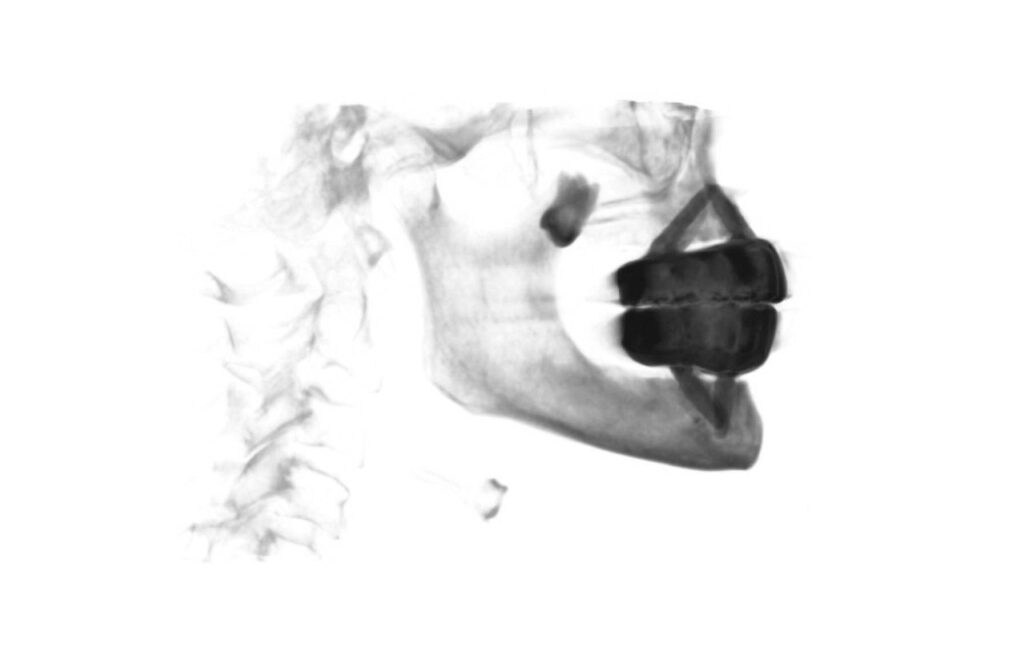
Today, I want to discuss the slightly less intimidating counterpart – the impacted maxillary third molar.
I treat these teeth a bit differently than mandibular third molars. Comparatively, I am a bit more aggressive with removal of impacted maxillary teeth.
Why is this the case?
First, the risk of post-operative complications is less.
There isn’t a neurovascular structure that I am concerned with damaging. There isn’t the same risk of alveolar osteitis and prolonged post-operative discomfort. And, even in elderly patients or those on slightly immunosuppressant drugs, the maxilla’s blood supply lends to more predictable healing than the mandible.
The most notable surgical risk with removal of a maxillary third molar in the AOX patient population is typically an oral-antral communication. This risk is due to to both the atrophy and lack of density that many patients present with in this region. This leads to a higher likelihood of an unwanted alveolus fracture during removal of an impacted tooth, leading to creation of an OAC.
The possibility of an OAC is always something I assess. I will weigh the risks and benefits of removal versus monitoring an impacted third molar as it relates to formation of an OAC.
The second reason I will more often lean toward removal of impacted maxillary third molars is because it creates real estate for future pterygoid implants.
I have placed “immediate” pterygoid implants following third molar removal on a handful of occasions. I find this immediate placement more difficult. Furthermore, my preference for the health and longevity of the implant would be to have good bone stock at the tuberosity region surrounding the implant body (meaning the ptergyoid would not be placed at the same time the impacted third molar is removed).
For this reason, if I feel there is a high likelihood that were a failure to occur, I would need a pterygoid implant – I will normally remove the impacted third molar at the initial AOX surgery. This way, that site is filling in with bone during the following 4 months and is ready thereafter for a ptergyoid implant if needed (Plan for your plan to change).
The list below outlines how I currently manage maxillary third molars in the setting of full-arch surgery. Keep in mind that this is a “simplified” description. Each patient’s presentation, anatomy, and medical history is ultimately taken into account to formulate a final decision.
Maxillary Third Molar Management
1. Symptomatic or Gross Decay: Extract
2. Erupted (Symptomatic or Asymptomatic): Extract
3. Soft-Tissue Impacted or Partially-Impacted: Extract
4. Full-Bony Impacted: *Extract
*If I anticipate either the immediate need, or an increased likelihood for the potential future need for a ptergyoid implant, I will remove the impacted maxillary third molar with care to attempt to avoid an OAC.
5. Full-Bony Impacted: *Monitor.
*If I do not anticipate the immediate or potential future need for a pterygoid implant – I will monitor a completely impacted maxillary third molar. The principle rational for this is the avoidance of a potential OAC.
In reality, when I assess an impacted maxillary third molar I ask myself two questions:
- What is the likelihood I will need a pterygoid implant now or in the future?
- What is the likelihood of an OAC? And if it occurs, is it predictably manageable?
Here’s to planning ahead.
Matthew Krieger DMD
“By failing to prepare, you are preparing to fail.”
Benjamin Franklin
Q & A with Dr. K
“Why don’t you like Vicryl suture? “ |
I “don’t not” like Vicryl suture (I think I’m using that double negative correctly)…
In my experience, however, I feel that Vicryl suture resorbs too slowly under a full-arch prosthetic. The times I have used Vicryl, nearly all of those patients have complained of irritation at the suture sites and simply been “annoyed” at the presence of the suture tails.
While I find that plain gut resorbs too fast and leads to dehiscence, chromic gut seems to be the sweet spot. In my hands this stitch will last right around “2ish” weeks. This is enough time for the wound to close, but not so long that patients complain.
I will, however, use both chromic gut and Vicryl suture for closure of an OAC or large graft site.