
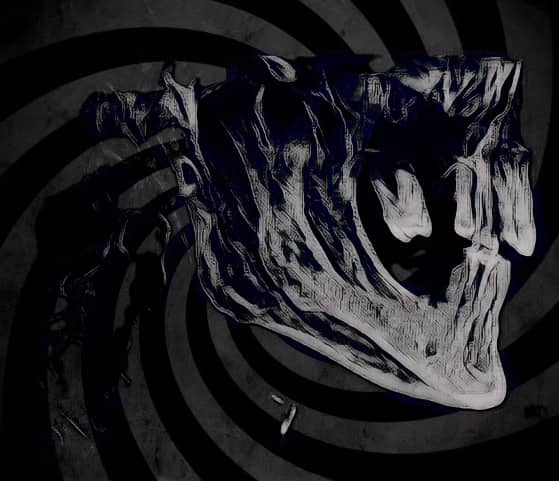
The lone standing maxillary molar.
A prized possession for the AOX surgeon – yet also a formidable adversary.
In atrophic, partially dentate patients, a lone standing maxillary molar is one of my absolute favorite things to see.
It is also, however, a tooth that I treat with the utmost respect and caution.
In my eyes, a retained maxillary molar in a resorbed maxilla represents HOPE. It is one of my most frequently utilized “outs”.
This molar represents an additional implant site, improved A-P spread, and increased torque – without the use of a pterygoid or zygomatic implant.
However, I also know that a lone standing maxillary molar in an atrophic ridge represents a high probability of buccal plate and alveolar crest fracture. And as a result, creation of a large oral-antral communication at the fracture site.
Worse yet, creating the oral-antral communication effectively voids the palatal root implant site. This is because the palatal root socket either becomes fractured and unusable, or the use of the site itself prevents adequate primary closure of the nearby OAC.
For this reason, I treat this tooth with precision and patience.
In this instance, I will not remove the lone molar prior to incision. All the other teeth in the arch will still be removed before an incision is made. However, the lone molar will be left in place until after a flap is reflected.
After flap reflection, attention is directed to the last remaining tooth. If the molar has some degree of mobility and simply wants to “roll out”, it will be removed with a 150 forceps.
If it is not mobile, the tooth is most often sectioned with an emphasis on preserving the integrity of the palatal root socket and preventing an alveolus fracture. Both the palatal root socket and the intact alveolus are critical in these atrophic patients.
In my mind, and in my hands, the lone standing maxillary molar is a HIGH VALUE implant site! And, I have unfortunately burned this bridge one too many times by being impatient.
I know from experience both the value and the danger that the lone standing molar represents. If this tooth is treated with respect, it can be become our best friend and a trusted full-arch ally. If not approached with caution, it can become a dreaded enemy.
Always operate with confidence. But we must not forget the importance of also operating with wisdom and patience.
Matthew Krieger DMD
“To lose patience is to lose the battle.”
Mahatma Gandhi
Q & A with Dr. K
“What RPM do you run your barrel bur at during bone reduction?” |
I run my barrel bur during alveolar reduction at the same speed I run my 702/703 burs during surgical extractions:
50,000 RPM on a 1:2 Straight Impaction Handpiece from Bien-Air.